
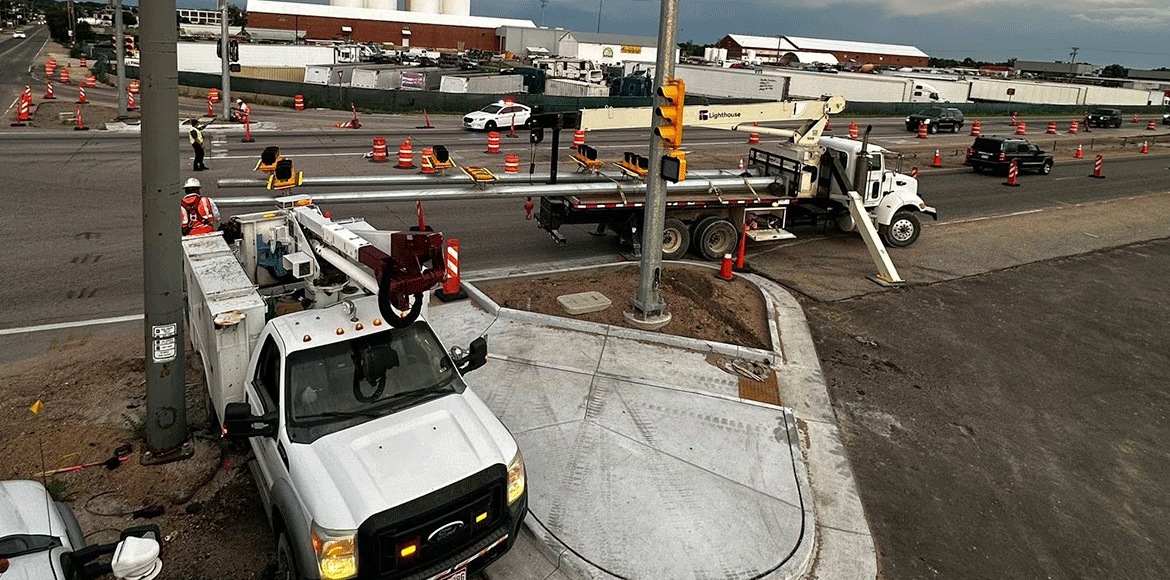
Traffic signals are often overlooked until they stop working. When an intersection goes dark due to storms, power loss, vehicle strikes, or aging infrastructure, the impact is immediate. Congestion builds. Accident risk increases. Emergency response slows. Public frustration rises.
At Lighthouse, we understand that traffic signal reliability is not just about installation. It is about preparedness, response, and long term durability.
Across Colorado and Oklahoma, we see the same primary causes of signal outages:
• Severe weather and wind events
• Utility power disruptions
• Vehicle collisions with poles and cabinets
• Aging wiring and deteriorated foundations
• Detection failures caused by moisture or misalignment
Each of these issues requires a team that understands both electrical systems and field construction. A temporary patch is not enough. Municipalities need a contractor who can assess damage quickly, stabilize the intersection, and restore safe operation without compromising long term performance.
A professional traffic signal response begins with safety control. Proper traffic control setup protects both the public and the crew. From there, our technicians evaluate cabinet power, grounding, service panels, conflict monitors, and detection equipment before reactivation.
In many cases, damage extends beyond what is visible. A struck mast arm may also shift anchor bolts. A flooded pull box may compromise splices. A tripped breaker may indicate deeper electrical faults. Identifying root causes prevents repeat failures.
Rapid response only works when crews are experienced, equipped, and coordinated with city inspectors and utility providers.
One of the biggest lessons from the past year is this. Resilience must be built in from the start.
That includes:
• Proper grounding and surge protection
• Stainless hardware to prevent corrosion
• Correct conduit depth and sealed connections
• Secure cabinet foundations
• Accurate torque specifications on mast arms
Infrastructure that is installed correctly reduces emergency calls and extends system life.
Many outages are preventable. Routine inspections, cabinet cleanouts, detection recalibration, and structural checks dramatically reduce failure rates. Municipalities that prioritize preventative maintenance see fewer dark intersections and lower long term repair costs.
Lighthouse works with cities to create proactive maintenance strategies that protect public safety and control budgets.
Traffic signals are critical infrastructure. They control movement, protect pedestrians, and support emergency services. When they fail, response time matters. When they are built, precision matters even more. Lighthouse remains committed to providing dependable installation, rapid emergency service, and infrastructure that performs year after year. If your city is evaluating upgrades, preventative maintenance programs, or emergency response partnerships for the coming year, our team is ready to help.
We’re a small team that loves to create great experiences and make meaningful connections between builders and customers. Join our remote ream!


.gif)