
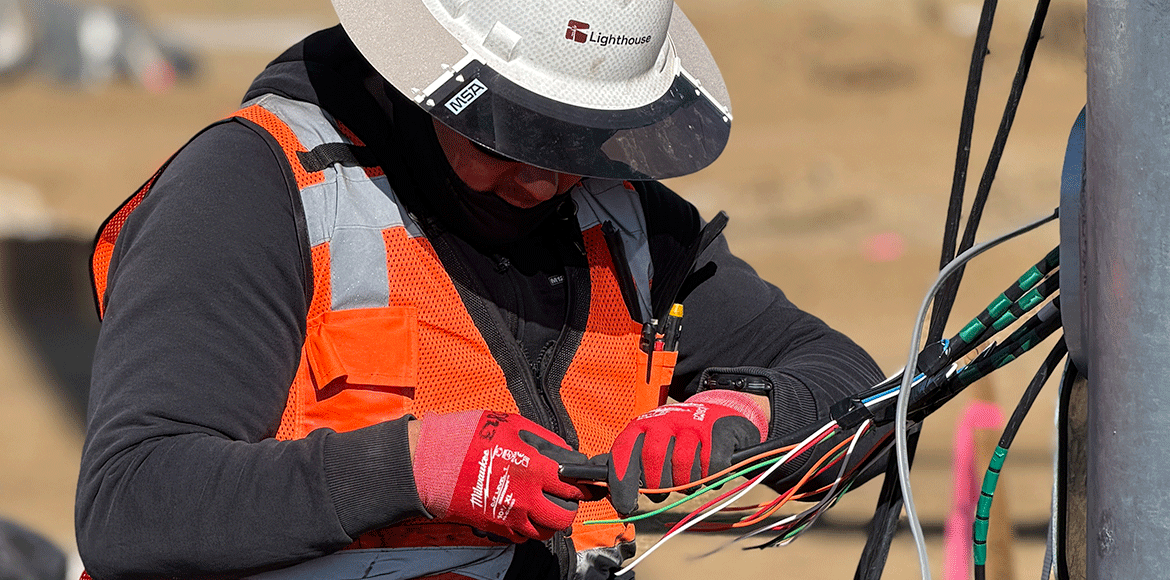
March marks a turning point for infrastructure projects across Oklahoma. As winter conditions ease and construction season approaches, municipalities begin mobilizing crews, finalizing budgets, and preparing for increased traffic activity. For traffic signal systems, this is one of the most critical times of the year.
At Lighthouse, we view March as the foundation month. The decisions made now directly impact safety, efficiency, and project success for the rest of the year.
With longer days and improved weather conditions, March is when cities begin scheduling new installations, upgrades, and repairs. Traffic volumes increase as schools, events, and travel activity pick up heading into spring and summer.
This creates a narrow window to ensure intersections are fully operational before peak demand.
Key priorities we see this time of year include
• Upgrading outdated signal cabinets and controllers
• Replacing aging poles and mast arms
• Improving pedestrian crossings and ADA compliance
• Expanding detection systems for better traffic flow
• Addressing damage from winter weather
Delays in March often lead to compounded issues later in the year when schedules are tighter and traffic volumes are higher.
Even in Oklahoma, winter conditions can impact signal infrastructure. Freeze and thaw cycles, moisture intrusion, and temperature swings can weaken underground systems and electrical components.
Common post-winter issues include
• Cracked conduit or shifted underground runs
• Water intrusion in pull boxes
• Corrosion at connection points
• Signal head misalignment due to wind and temperature stress
March is the ideal time to inspect and correct these issues before they lead to outages or safety concerns.
One of the biggest mistakes municipalities make is waiting until a failure occurs. Emergency repairs are costly, disruptive, and often avoidable.
By using March to assess infrastructure and schedule preventative work, cities can
• Reduce unexpected outages
• Control repair costs
• Improve intersection safety
• Extend the lifespan of existing systems
Proactive planning always outperforms reactive response.
Traffic patterns shift throughout the year. Spring brings increased pedestrian activity, school traffic, and event congestion. Detection systems and signal timing plans should be reviewed to reflect these changes.
Our team works with municipalities to recalibrate detection, verify equipment performance, and ensure signals are operating efficiently under current traffic conditions.
March sets the tone for the entire construction year. Municipalities that act early position themselves for smoother projects, fewer disruptions, and better long term outcomes.
At Lighthouse, we support cities through every phase, from inspection and planning to installation and activation. Our focus is simple. Deliver reliable infrastructure that performs when it matters most.
We’re a small team that loves to create great experiences and make meaningful connections between builders and customers. Join our remote ream!


.gif)