
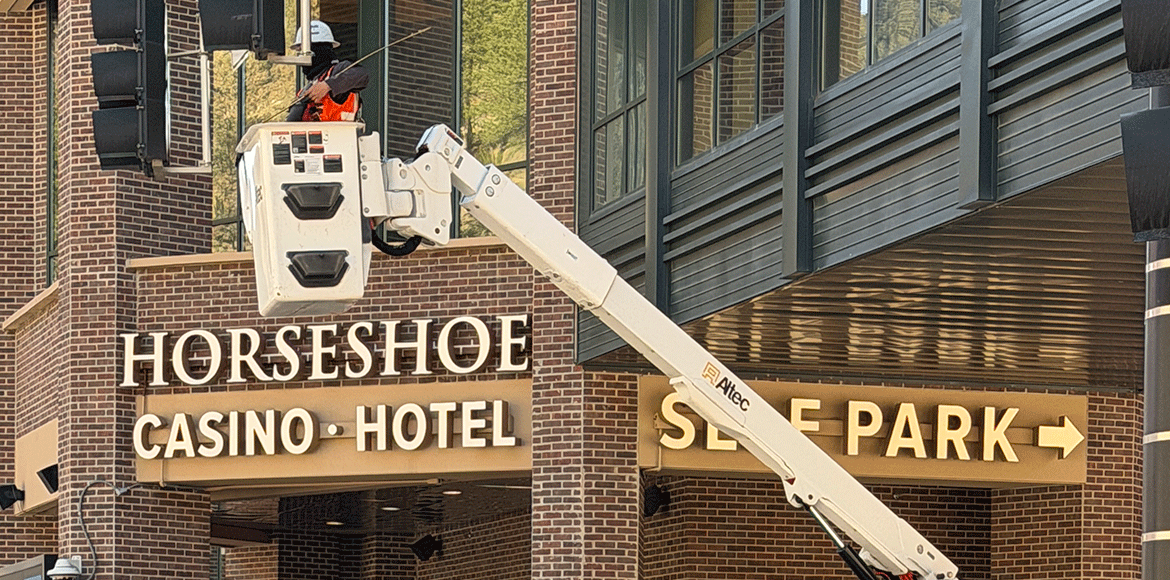
April brings some of the most volatile weather conditions of the year. Heavy rain, strong winds, lightning, and rapid temperature shifts all put stress on traffic signal systems. When infrastructure is not properly installed or maintained, these conditions can quickly lead to outages, safety risks, and costly emergency repairs.
At Lighthouse, we approach every project with one goal in mind. Build systems that perform under pressure.
Storm events rarely affect just one component. Multiple systems are often impacted at the same time.
Common failure points include
• Power loss from grid disruption
• Water intrusion in conduit and pull boxes
• Signal heads shifting due to wind
• Cabinet exposure to flooding or debris
• Electrical surges from lightning
When these issues occur, intersections can go dark or behave unpredictably. This increases the risk of accidents and slows down traffic flow.
The most effective way to reduce storm related failures is through strong installation practices. Infrastructure must be built with durability in mind from day one.
Our crews focus on
• Proper grounding and surge protection
• Sealed conduit systems to prevent moisture entry
• Secure cabinet placement above potential water exposure
• Accurate torque on poles and mast arms
• Use of long lasting, corrosion resistant materials
These details are what separate a reliable system from one that requires constant repair.
Even with strong infrastructure, severe weather can still cause damage. When that happens, response time is critical. Our teams are trained to quickly assess cabinet power, inspect wiring, evaluate structural components, and safely restore operation. Identifying the root cause is just as important as fixing the immediate issue. This prevents repeat failures and reduces long term costs.
Routine inspections play a major role in storm readiness. Checking seals, tightening hardware, testing detection systems, and verifying cabinet conditions can prevent small issues from becoming major failures. Municipalities that invest in preventative maintenance experience fewer outages and more consistent performance during severe weather events.
Traffic signals are critical infrastructure. They control movement, protect pedestrians, and support emergency response. In high stress conditions, reliability is everything. Lighthouse is committed to building and maintaining systems that perform when it matters most.
April marks the start of peak infrastructure activity. As weather conditions improve and construction schedules ramp up, municipalities begin moving forward with signal upgrades, repairs, and new installations. This month sets the tone for the entire construction season. At Lighthouse, we see April as a key opportunity to strengthen systems before traffic demand increases.
As spring progresses, traffic volumes rise. School activity, events, and general travel all increase. Intersections that are already strained during winter months can quickly become problem areas.
April is the ideal time to
• Upgrade outdated signal cabinets and controllers
• Improve pedestrian crossings and accessibility features
• Replace aging poles and signal heads
• Expand or recalibrate detection systems
• Address any unresolved infrastructure issues
Acting early prevents delays and reduces the need for emergency work later in the season.
Even mild winter conditions can affect traffic signal systems. Temperature changes, moisture, and wind exposure can weaken components over time.
Common post-winter concerns include
• Moisture buildup in underground systems
• Corrosion at electrical connections
• Signal misalignment from wind or shifting
• Wear on older equipment
April is the right time to inspect and correct these issues before they impact performance.
Waiting for failures leads to higher costs and more disruption. Proactive upgrades and maintenance allow municipalities to control schedules, reduce emergency repairs, and improve overall system reliability.
Planning in April helps ensure
• Fewer unexpected outages
• Better traffic flow during peak months
• Extended lifespan of infrastructure
• Safer intersections for drivers and pedestrians
Traffic patterns change throughout the year. Spring brings different demand than winter. Detection systems and timing plans should be evaluated to match current conditions. Fine tuning these systems improves efficiency and reduces congestion across the network.
April is more than just the start of construction. It is the foundation for everything that follows. Municipalities that act now are better positioned for a smooth and successful season.
Lighthouse supports every phase of the process, from inspection and planning to installation and activation. Our focus remains the same. Deliver infrastructure that performs reliably, efficiently, and safely throughout the year.
We’re a small team that loves to create great experiences and make meaningful connections between builders and customers. Join our remote ream!


.gif)